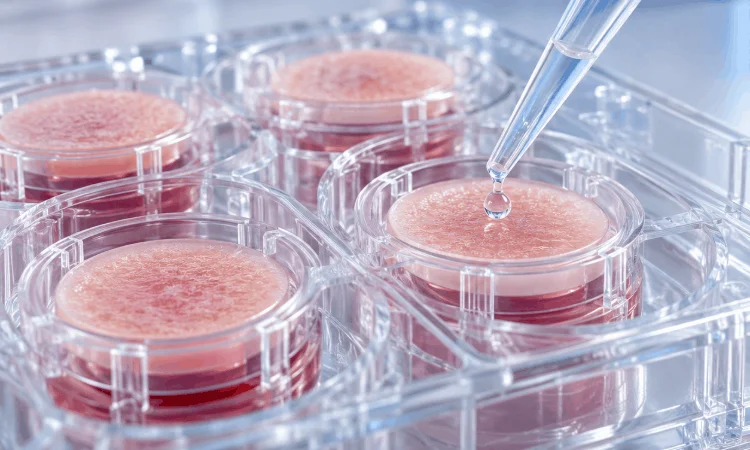
Vitro Mammalian Hücre Gen Mutasyon (HPRT/MLA) Test Nedir?
Vitro Mammalian Hücre Gen Mutation Test, mammalian hücrelerdeki gen mutasyonlarına neden olmak için bir maddenin potansiyelini değerlendirmek için yapılan temel genotoksisite testlerinden biridir. OECD TG 476 ve OECD TG 490 yönergelerine uygun olarak, bu çalışmalar test edilen maddelerin DNA seviyesinde kalıcı genetik değişiklikler olup olmadığını belirlemek için kullanılır.
İlaçların güvenlik değerlendirmelerinde yaygın olarak kullanılır, biyosital ürünler, tıbbi cihazlar, kozmetik hammaddeler, endüstriyel kimyasallar ve yeni gelişmiş maddeler, bu test genetik toksikoloji çalışmalarının önemli bir bileşenidir.
NanoTox'da, genetik Toksikoloji Birimimizde, GLP (İyi Laboratuvar Uygulamaları) ilkelerine uygun olan Vitro Mammalian Hücre Gen Mutasyon test hizmetleri sunuyoruz ve uluslararası standartlarla tanışın.
Vitro Mammalian Hücre Gen Mutasyon Testinin Amacı
Bu test, mammalian hücrelerdeki gen seviyesinde mutasyonları teşvik etmek için bir maddenin potansiyelini belirlemeyi amaçlamaktadır.
Bu çalışmalar sayesinde:
- Mutagenic potansiyeli değerlendirilir,
- DNA hasarı ile ilişkili genetik değişiklikler incelenir,
- Genetik güvenlik verileri elde edilir,
- Düzenleme gereksinimleri karşılanır,
- İnsan sağlığı risk değerlendirmeleri desteklenmektedir.
Elde edilen sonuçlar, ürünlerin genooksik risk profillerinin kurulmasına katkıda bulunur.
HPRT ve MLA Testleri Nedir?
In vitro mammalian hücre gen mutasyon değerlendirmelerinde yaygın olarak iki farklı yöntem kullanılır:
HPRT Testi (OECD TG 476)
HPRT (Hypoxanthine-Guanine Phosphoribosyl Transferase) testi, mammalian hücrelerdeki belirli bir gen bölgesinde meydana gelen mutasyonları tespit etmeyi amaçlamaktadır. Bu yöntem, uzun yıllardır kullanılan güvenilir bir test yaklaşımıdır, özellikle gen mutasyonlarının değerlendirilmesinde.
MLA Test (OECD TG 490)
MLA (Mouse Lymphoma Assay) sadece gen mutasyonlarının tespitini sağlayan gelişmiş bir yöntemdir, aynı zamanda küçük kromozom değişiklikleri de.
Her iki yöntem de uluslararası düzenleyici otoriteler tarafından kabul edilen temel genotoksisite testleri arasındadır.
Araştırmalar OECD TG 476 ve OECD TG 490 Kılavuzları ile Uyuma Hazırlandı
NanoTox'ta yapılan çalışmalar aşağıdaki OECD yönergelerine uygun olarak yapılır:
- OECD TG 476 – Vitro Mammalian Hücre Gen Mutasyon Testleri Hprt ve xprt Genleri Kullanıyor
- OECD TG 490 - Vitro Mammalian Hücre Gen Mutasyon Testleri Yourmidine Kinase Gene
Bu yönergeler altında:
- Appropriate hücre hatları kullanılır,
- Olumlu ve negatif kontroller değerlendirilir,
- Metabolik olarak aktif ve devre dışı sistemler uygulanır,
- Dose-response ilişkileri analiz edilir,
- Cytooksisite ve mutasyon frekansı birlikte değerlendirilir.
Test Prensibi
Test sırasında, mammalian hücreleri farklı konsantrasyonlarda test materyaline maruz kalmaktadır. Sonuç olarak, gen mutasyonları seçici kültür medyasında değerlendirilir ve mutasyon frekansı hesaplanır.
Çalışmalarda sıklıkla kullanılan hücreler şunlardır:
- CHO hücreleri,
- V79 hücreleri,
- L5178Y fare lenfoma hücreleri,
- TK6 hücreleri
Diğerleri arasında.
Ek olarak, S9 metabolik aktivasyon sistemi mimik mumya metabolizmayı taklit etmek için kullanılabilir.
Parametreler Test Kapsam içinde Evaluated
Vitro Mammalian Hücre Gen Mutasyon Testi kapsamında:
- Mutasyon frekansı,
- Dose-response ilişkisi,
- Cytotoxicity değerlendirmeleri,
- Hücre kullanılabilirliği,
- Metabolik aktivasyonun etkileri,
- İstatistiksel analizler
incelenmiştir.
Bu değerlendirmeler, gen mutasyonlarını teşvik etmek için test edilen maddenin potansiyelini bilimsel olarak göstermektedir.
NanoTox ile Güvenilir Genetik Toksikoloji Çalışmaları
NanoTox çalışır Vitro Mammalian Hücre Gen Mutasyon testleri OECD TG 476 ve OECD TG 490 uyarınca, uzman genetik toksikoloji ekibi ve gelişmiş laboratuvar altyapısı sayesinde. İlaç, tıbbi cihazlar, biyocidal ürünler ve kimyasal maddeler geliştirme süreçlerinde gerekli olan güvenilir genotoksisite verilerinin satın alınmasını garanti ediyoruz.
Vitro Mammalian Hücre Gen Mutasyon Hakkında ayrıntılı bilgi için (HPRT / MLA) Test ve diğer genetik toksikoloji hizmetlerimiz, lütfen NanoTox ile iletişime geçin.