GLP Uyum ve Teknik Standartizasyonu Histoteknoloji
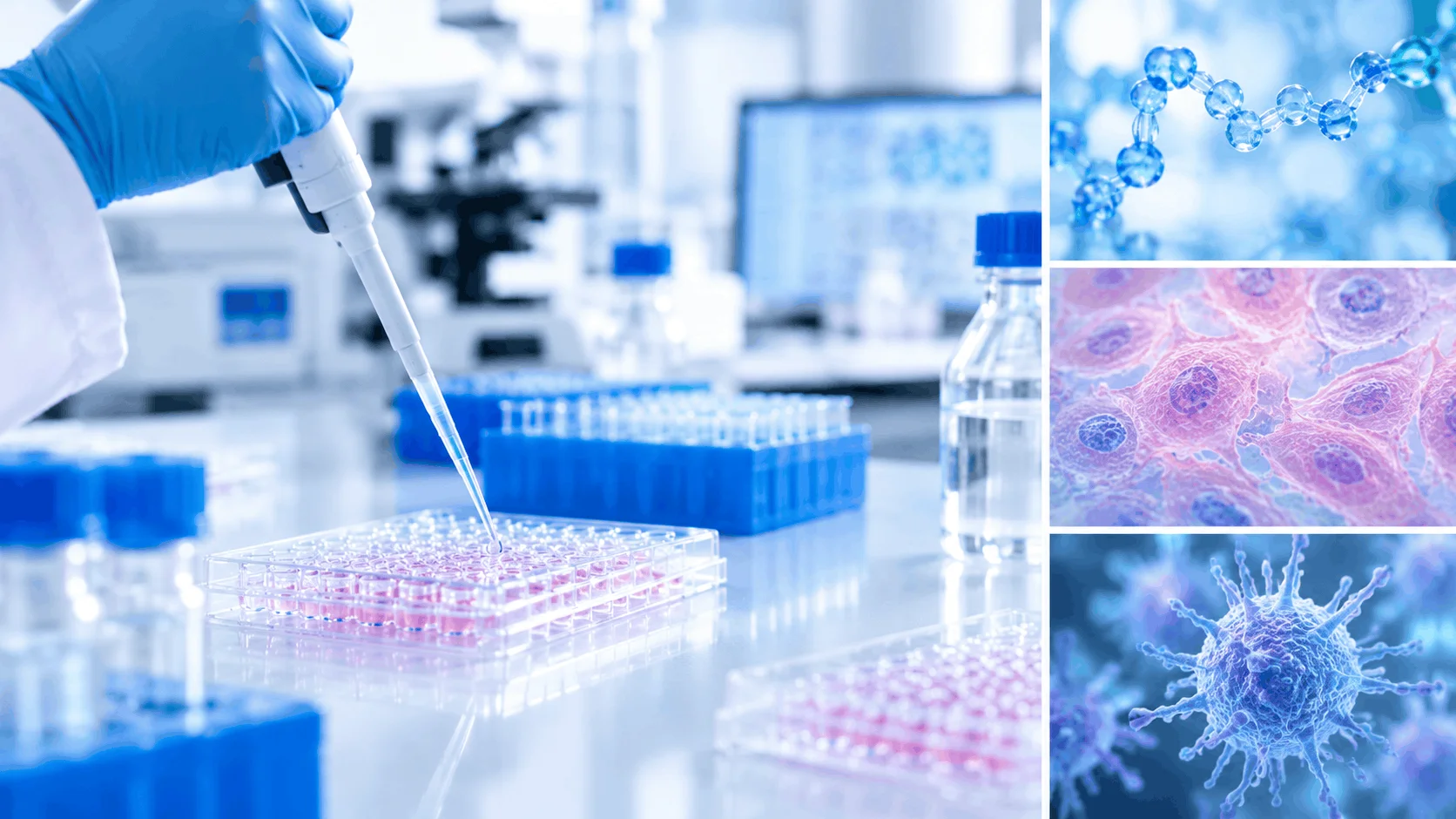
Histoteknoloji, preclinical toksisite ve etkinlik çalışmalarının kalbinde temel bir disiplindir, mikroskopik değerlendirme için doku örneklerinin hazırlanmasına olanak sağlar. Bu çok adımlı süreç, doku izleme, paraffin gömülme, bölümleme ve lekelenme aşamalarından gelen aşamaları kapsar. Ortaya çıkan histopatolojik verilerin düzenleyici otoriteler tarafından kabul edilmesi (OECD, FDA, EMA) sadece deneyimli bir patoloji ekibine bağlı değildir, aynı zamanda Good Laboratory Practice (GLP) ilkelerine uygun olarak yürütülen ve tamamen standartlaştırılmış ve belgelenmiştir.
Nano-Tox Laboratuvar Hizmetleri: Histoteknoloji laboratuvarımız, Patoloji Test Birimimizde faaliyet gösteren, bu gereksinimi tamamen karşılamak için yapılandırılmıştır. Tüm prosedürler doğrulanmış ekipman, onaylanmış Standart İşletim Prosedürleri (SOPs) ve sürekli kalite kontrol mekanizmaları tarafından destekleniyor.
Fixasyon ve Doku İzleme: Reproducability'in Vakıfları
Fixation, kendi teknoloji sürecinde ilk ve en kritik adımdır. Hücresel autiz'i durdurmak için, morfolojik yapıyı korumak ve antijenikliği stabilize etmek, her doku türü için optimize edilen çözümleri ve zamanları laboratuvarımızda titizlikle uygulanır. Taze doku necropsy zamanında kesintiye uğrar ve hemen düzeltmeye maruz kalır. Bu adım doğrudan tüm sonraki immünhistokimyasal ve histokimyasal lekelemenin duyarlılığı ve özelliklerini etkiler olduğundan, protokolden sapmalar izin verilmez.
Tamamlamadan sonra, tamamen otomatik, kapalı-loop doku işleme sistemleri, manuel yöntemlerin tanıtabileceği değişkenliği ortadan kaldırmak için kullanılır. Dehidrasyon, açık ve filtrasyon aşamalarındaki paraffin, her çalışma için önceden tanımlanmış ve doğrulanmış programlara göre yapılır. Tüm reaktiflerin raf ömrü ve rotasyon frekansı Standart İşletim Prosedürleri (SOPs) ile kontrol edilir. Sürecin sonunda, her paraffin bloğu eşsiz bir örnek kimlik numarası ile etiketlenir, bir GLP-kompliant bir tutuklu zincirine dahil edilir ve uzun süreli arşiv için hazırlanmaktadır.
Mikrotomi ve Sence Prosedürlerinde Hassasiyet
Paraffin-embedded doku bloklarından bölümler elde etme süreci (mikrotomi) sertifikalı histoteknolojikologlar tarafından kalibre edilen döner mikrotomlar kullanılarak yapılır. Bölümler, genellikle 3-5 mikron kalın, sıcaklık kontrollü bir su banyosuna yayılmadan sonra olumlu şarj kaydıraklarına monte edilir. Bu aşamada, bölüm kalınlığında tutarlılık ve sanatifact formasyonunun önlenmesi histopolojik değerlendirmenin kalitesine kritiktir.
Nano-Tox Pathology Test Birimi'nde, rutin Hematoxylin & Eosin (H&E) lekeler doğrulama protokolleri kullanarak otomatik boyama platformlarında yapılır. Her leke döngüsüne dahil edilen pozitif kontrol kaydırakları, lekeleme kalitesini sürekli takip eder ve topludan topludan topluluğa kadar tutarlılığı sağlar.
H&E lekelemenin ötesinde, spesifik hücresel bileşenleri ve patolojik depozitoları tanımlamak için aynı standartlaştırma seviyesinde de sunulmaktadır.
Immunohistokimya (IHC) ve Düzenleme
Özel protein ifadelerinin situ algılamasını ve yerelleştirilmesini gerektiren çalışmalarda immünhistokimya (IHC) laboratuvarımızın temel uzmanlık alanlarından biridir. Otomatik IHC lekeleme aletleri, manuel prosedürlerden ortaya çıkabilecek değişkenliği ortadan kaldırmak için kullanılır. İnkübasyon süreleri, antijen retrieval yöntemleri ve uygun tespit sistemleri her birincil antikor için kuruldu ve uygun pozitif ve negatif doku kontrolleri her assay ile eş zamanlı olarak lekelendi. Bu yaklaşım, elde edilen sinyalin özelliklerini doğrular ve düzenleyici gönderimler için gerekli bilimsel kanıtların seviyesini sağlar.
Sonuç olarak, Nano-Tox laboratuvarlarında yapılan tüm histoteknoloji süreçleri kapsamlı bir dokümantasyon ve kalite kontrol zinciri tarafından, ham doku örneklerinden arşivli dijital veya fiziksel slayta desteklenmiştir. Preclinical çalışmalarınızın patoloji bileşeni için teknik olarak kusursuz ve güvenilir bir ortak arıyorsanız—Tamamen düzenleyici standartlarla uyumlu olan biri—Nano-Tox Pathology Test Birimi size bu konuda hizmet vermeye hazırdır.