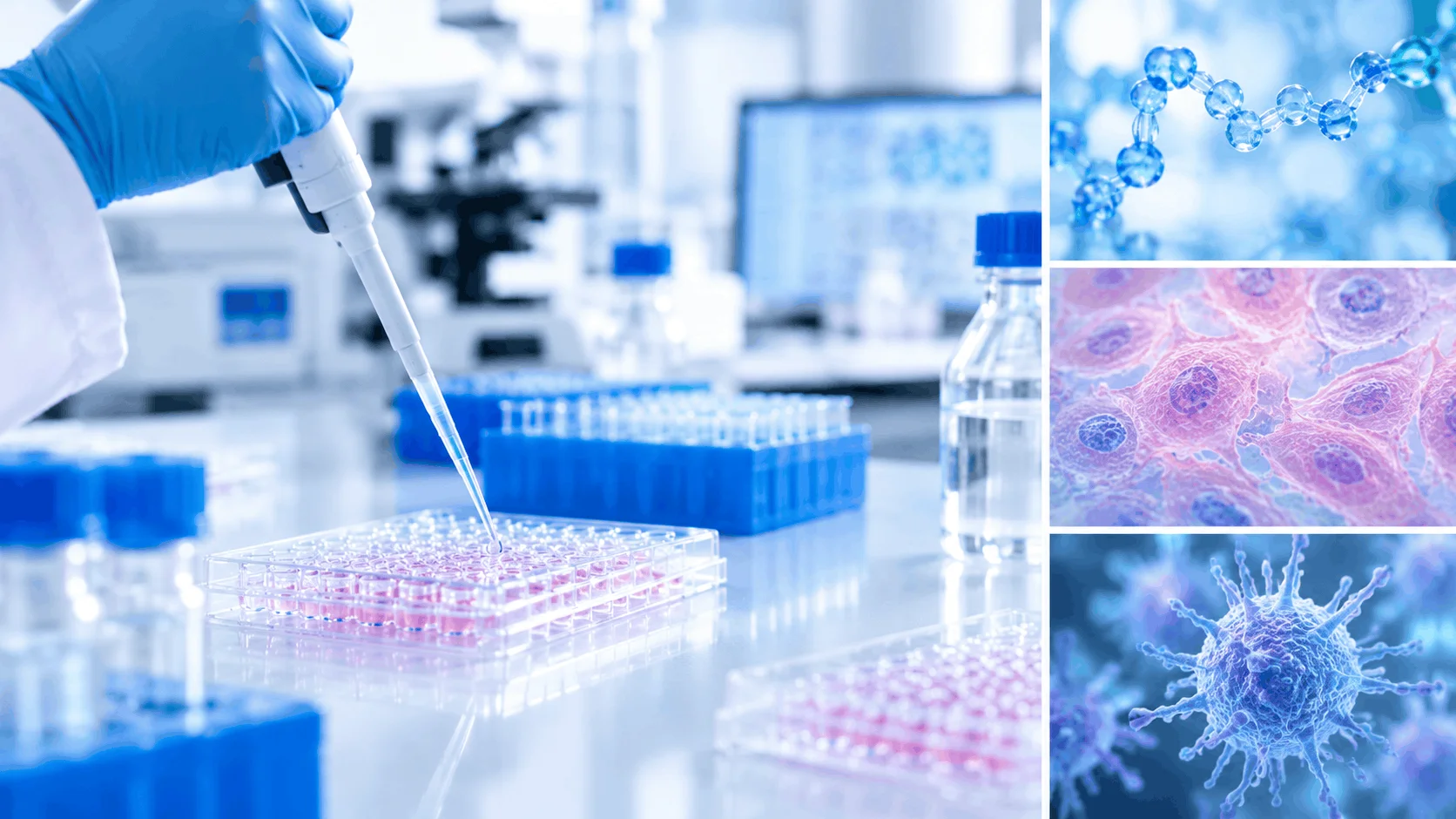
What Is a Specified/Pathogenic Organism Detection Test?
Specified/Pathogenic Organism Detection tests are critical microbiological analyses conducted to detect the presence of specific microorganisms that should not be present in products. These tests play a critical role in assessing the microbiological safety of pharmaceutical products, cosmetic products, medical devices, raw materials, and other health products.
Determining the total microbial load alone may not be sufficient. Even at low levels, certain microorganisms can pose serious risks to product safety. For this reason, analyses aimed at detecting specified pathogenic microorganisms are an integral part of quality control processes.
At NanoTox, within our Microbiology Unit, we offer reliable and traceable pathogenic microorganism detection services in compliance with international pharmacopeia requirements.
Purpose of the Specified / Pathogenic Organism Detection Test
These tests aim to investigate the presence of specific microorganisms that are not permitted in products.
Through these studies:
- Product microbiological safety is assessed,
- Potential health risks are identified,
- Product quality control processes are supported,
- Regulatory requirements are met,
- The effectiveness of production hygiene is verified.
The results obtained help determine whether the product meets the relevant microbiological quality criteria.
Why Is Pathogenic Microorganism Detection Important?
Some microorganisms can have serious adverse effects on human health. For this reason, pharmacopoeias and international standards require the complete absence of certain microorganisms in specific product groups.
Depending on the product type, the microorganisms investigated may include:
- Escherichia coli
- Staphylococcus aureus
- Pseudomonas aeruginosa
- Salmonella spp.
- Candida albicans
- Bile-tolerant Gram-negative bacteria
and similar microorganisms.
Studies in Compliance with International Pharmacopoeia Requirements
Specified/Pathogenic Organism Detection tests conducted at NanoTox are carried out in accordance with international pharmacopoeia requirements.
Primary reference documents:
- European Pharmacopoeia (Ph. Eur.) 2.6.13 – Microbiological Examination of Non-Sterile Products: Test for Specified Microorganisms
- USP <62> – Microbiological Examination of Nonsterile Products: Tests for Specified Microorganisms
These methods enable the reliable assessment that products are free from specified microorganisms.
Test Process and Methods Used
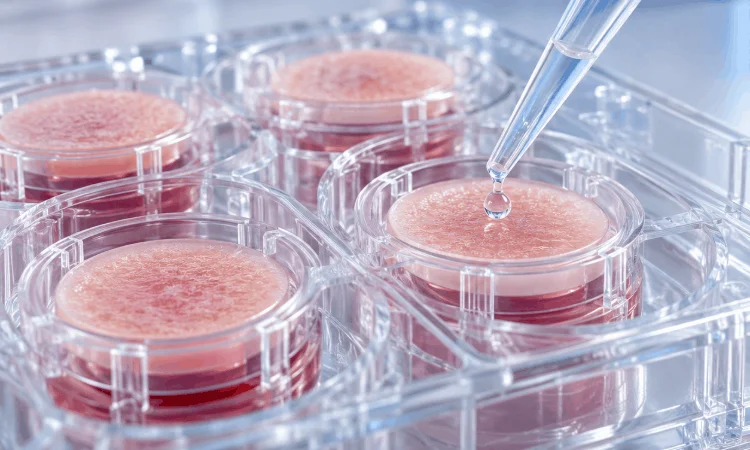
During the analysis process, the sample is inoculated onto appropriate culture media that facilitate the selective growth of the target microorganism. Subsequently, the presence of the target microorganism is investigated through preliminary enrichment, selective enrichment, and confirmation stages.
The following are frequently performed in these studies:
- Use of selective media,
- Enrichment cultures,
- Biochemical confirmation tests,
- Microbiological identification studies
are conducted.
Reliable Microbiological Analyses with NanoTox
NanoTox conducts Specified / Pathogenic Organism Detection tests in accordance with international standards, leveraging its expert microbiology team and modern laboratory infrastructure. We ensure the acquisition of reliable microbiological data required for product safety, quality control, and regulatory processes.
For detailed information about Specified/Pathogenic Organism Detection tests and our other microbiological analysis services, please contact NanoTox.