What Is Preservative Efficacy Testing (PET) for Cosmetics?
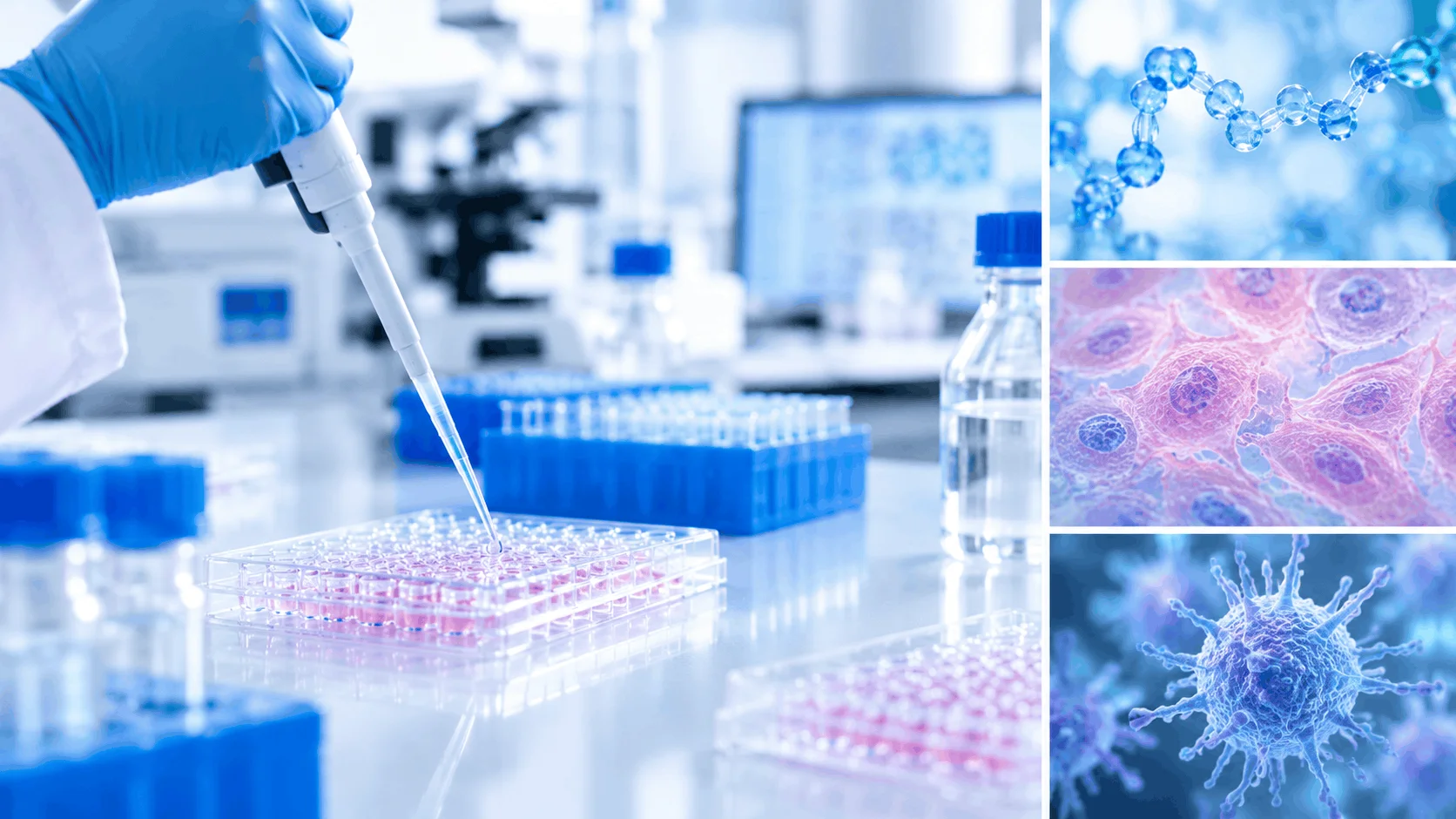
Preservative Efficacy Testing (PET) is one of the critical microbiological tests conducted to evaluate the effectiveness of preservative systems used in cosmetic product formulations against microorganisms. This test is performed to ensure the safety of cosmetic products against microbial contamination throughout their shelf life and to verify product stability.
Due to their water content and method of use, cosmetic products can create environments conducive to microbial growth. Therefore, the efficacy of preservative systems is of great importance for product safety and consumer health.
At NanoTox, we offer reliable and reproducible Preservative Efficacy Testing services in accordance with the ISO 11930:2019 standard through our Microbiology Unit.
The Purpose of Preservative Efficacy Testing
This test aims to evaluate whether the preservative systems in cosmetic products prevent microbial growth and provide adequate protection against contamination.
Through these studies:
- The efficacy of the preservative system is verified,
- Cosmetic product safety is assessed,
- Microbial risks are identified,
- Product stability is supported,
- Regulatory requirements are met.
The results obtained help ensure the product remains microbiologically safe throughout its shelf life.
The Importance of Preservative Systems in Cosmetic Products
Cosmetic products are susceptible to microbial contamination during production, storage, and use. Water-based formulations, in particular, can provide a suitable environment for microbial growth.
Inadequate preservative systems can lead to:
- Product spoilage,
- Microbial contamination,
- Risk of skin infection,
- Loss of product performance
and other issues.
For this reason, preservative efficacy testing is an indispensable part of cosmetic product development processes.
Studies Conducted in Compliance with the ISO 11930:2019 Standard
Preservative efficacy testing studies conducted at NanoTox are carried out in accordance with the internationally recognized ISO 11930:2019 standard.
This standard is one of the fundamental documents recognized as a reference for evaluating the performance of preservative systems in cosmetic products.
Under ISO 11930:2019:
- Microbial inoculation,
- Time-based assessment of microbial reduction,
- Product preservative efficacy criteria,
- Risk assessment approach
and similar processes are standardized.
Test Process and Microorganisms Used
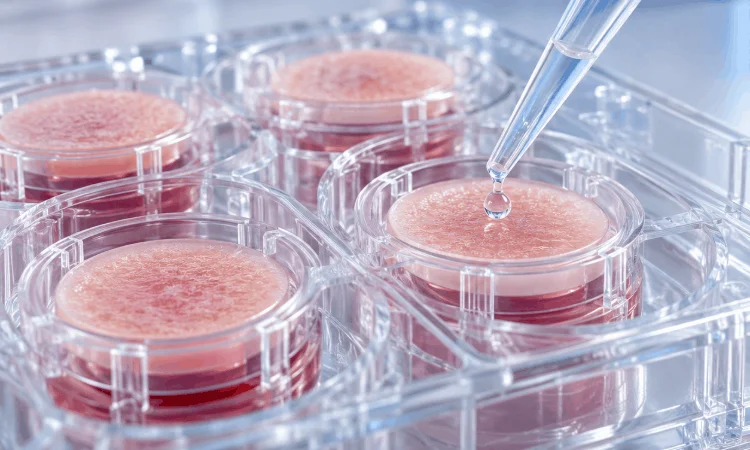
In the Preservative Efficacy Testing process, cosmetic products are inoculated in a controlled manner with specific reference microorganisms. Subsequently, microbial viability is assessed at different time intervals to analyze the efficacy of the preservative system.
Commonly used microorganisms:
- Staphylococcus aureus
- Pseudomonas aeruginosa
- Escherichia coli
- Candida albicans
- Aspergillus brasiliensis
The product’s microbial control capacity is evaluated using these microorganisms.
Parameters Evaluated Within the Test Scope
Various microbiological and performance parameters are analyzed within the scope of Preservative Efficacy Testing:
- Microbial reduction rate,
- Time-based viability change,
- Preservative system efficacy,
- Product microbial stability,
- ISO 11930 acceptance criteria
These data scientifically demonstrate the microbiological safety of the cosmetic product.
Reliable Cosmetic Microbiology Studies with NanoTox
NanoTox conducts Preservative Efficacy Testing in accordance with the ISO 11930:2019 standard using modern microbiology laboratory infrastructure and a team of experts. We support product safety by providing the reliable data required for cosmetic product development and quality control processes.
For detailed information about Preservative Efficacy Testing and our other cosmetic microbiology services, please contact NanoTox.