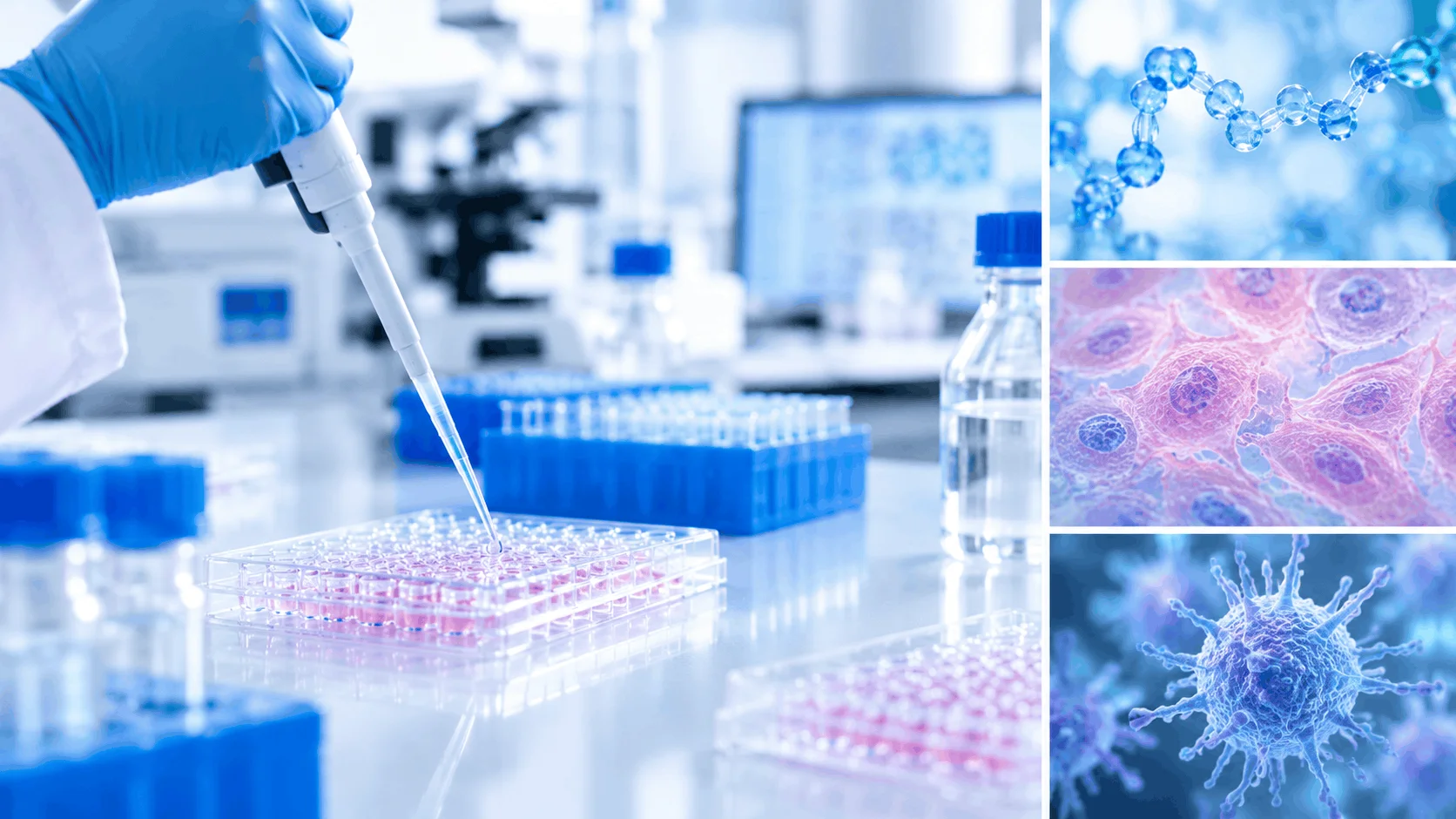
What Is Antimicrobial Effectiveness Testing (AET)?
Antimicrobial Effectiveness Testing (AET) is one of the key microbiological analyses conducted to evaluate the effectiveness of preservative systems used in product formulations. Also known as preservative efficacy tests, these studies help determine whether a product provides adequate protection against microbial contamination throughout its shelf life.
Verifying the effectiveness of preservative systems is of critical importance for product safety and quality management, particularly in pharmaceutical products, cosmetic products, personal care products, topical preparations, and certain medical products.
At NanoTox, we offer reliable and scientifically validated Antimicrobial Effectiveness Testing services within our Microbiology Unit that comply with international pharmacopeia requirements.
The Purpose of Antimicrobial Effectiveness Testing
Preservative efficacy tests aim to evaluate whether the preservatives present in the product provide sufficient protection against microorganisms.
Through these studies:
- Preservative system efficacy is validated,
- Product safety is assessed,
- Support is provided for shelf-life studies,
- The risk of microbial contamination is determined,
- Regulatory requirements are met.
The results obtained help ensure the product remains microbiologically safe throughout its shelf life.
Why Are Preservative Efficacy Tests Important?
Products may come into contact with various microorganisms during storage, transportation, and use after production.
The risk of contamination is particularly higher in multi-dose products and in packaging that is opened and reused.
Inadequate preservation systems:
- Can lead to product spoilage,
- Microbial growth,
- Loss of product performance,
- And risks to user safety.
For this reason, preservative efficacy testing is recognized as a critical component of product development and quality assurance processes.
Studies Compliant with International Pharmacopoeia Requirements
Antimicrobial Effectiveness Testing studies conducted at NanoTox are carried out in accordance with international pharmacopoeia requirements.
Key reference documents:
- European Pharmacopoeia (Ph. Eur.) 5.1.3 – Efficacy of Antimicrobial Preservation
- USP <51> – Antimicrobial Effectiveness Testing
These methods enable the reliable evaluation of the performance of preservative systems used in products.
Test Process and Microorganisms Used
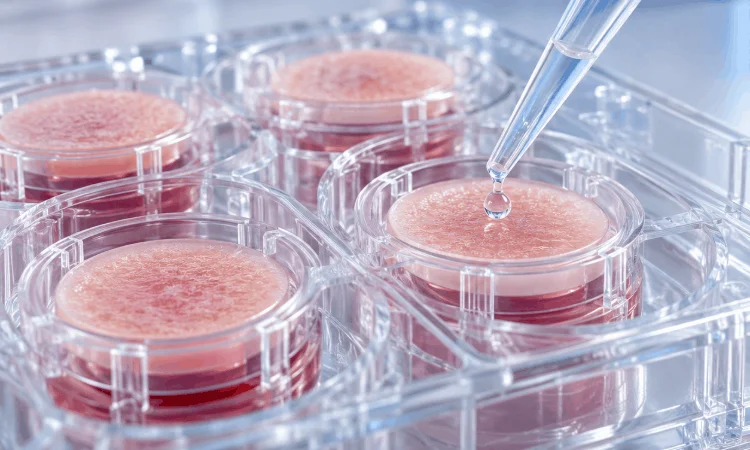
In antimicrobial effectiveness tests, the product is inoculated with specified reference microorganisms under controlled conditions. The microbial load is then assessed at specific time intervals to analyze the effectiveness of the preservative system.
Reference microorganisms commonly used in studies include:
- Staphylococcus aureus
- Pseudomonas aeruginosa
- Escherichia coli
- Candida albicans
- Aspergillus brasiliensis
as listed above.
By evaluating microbial reduction performance at specified time points, it is determined whether the product meets acceptance criteria.
Parameters Evaluated Within the Test Scope
Within the scope of Antimicrobial Effectiveness Testing:
- Microbial reduction rates,
- Preservative system performance,
- Time-based microbial changes,
- Pharmacopeia acceptance criteria,
- Product microbiological stability
are evaluated.
Through these analyses, the adequacy of the product’s preservative system is scientifically demonstrated.
Reliable Preservative Efficacy Testing with NanoTox
NanoTox conducts Antimicrobial Effectiveness Testing in accordance with international standards, leveraging its team of expert microbiologists and state-of-the-art laboratory infrastructure. We ensure the provision of reliable microbiological data required for product safety, quality control, and regulatory processes.
For detailed information about Antimicrobial Effectiveness Testing and our other microbiological analysis services, please contact NanoTox.