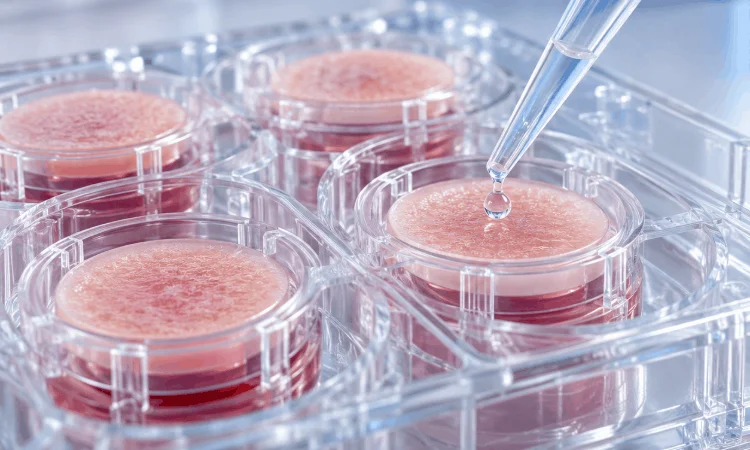
What Is a Sterility Test?
A sterility test is a critical microbiological analysis conducted to determine whether live microorganisms are present in products that must be sterile. Sterility tests play a vital role in verifying product safety, particularly for sterile medical devices, parenteral drugs, biological products, ophthalmic preparations, and various healthcare products.
Since the presence of any live microorganisms in sterile products can pose serious risks to patient safety, sterility tests are an indispensable part of quality control and regulatory processes.
At NanoTox, we offer reliable and traceable sterility testing services in accordance with international standards through our Microbiology Unit.
Purpose of Sterility Testing
Sterility tests aim to detect the presence of live microorganisms in products marketed as sterile or those that have undergone sterilization processes.
Through these studies:
- Product sterility is verified,
- The effectiveness of sterilization processes is evaluated,
- Product safety is supported,
- Quality control processes are strengthened,
- Regulatory requirements are met.
The results obtained help demonstrate that the product meets the required sterile conditions appropriate for its intended use.
Why Is Sterility Testing Important?
Verifying the success of sterilization processes is of great importance for the safety of products used in the healthcare sector. Sterility testing is one of the fundamental analyses used to evaluate the effectiveness of production and sterilization processes.
These tests are particularly applied for:
- Sterile medical devices,
- Injectable medications,
- Ophthalmic products,
- Biological products,
- Sterile pharmaceutical preparations
.
Studies in Compliance with International Standards
Sterility Test studies conducted at NanoTox are carried out in accordance with international standards and pharmacopeia requirements.
Primary reference documents:
- ISO 11737-2:2019 – Sterility Tests for the Validation of Sterilization Processes
- European Pharmacopoeia (Ph. Eur.) 2.6.1 – Sterility
- USP <71> – Sterility Tests
Studies conducted in accordance with these standards ensure the attainment of reliable and reproducible results that are internationally recognized.
Methods Used in Sterility Testing
Depending on the nature of the sample and the requirements of the relevant standard, different sterility testing methods may be applied.
Commonly used methods include:
- Membrane filtration method
- Direct inoculation method
- Incubation studies in liquid media
- Observation of microbial growth
as listed above.
The selection of an appropriate method is determined based on the product type and relevant regulatory requirements.
Parameters Evaluated Within the Scope of Testing
Various microbiological evaluations are conducted within the scope of sterility tests:
- Presence of bacterial contamination
- Yeast and mold contamination
- Microbial growth observations
- Verification of sterilization efficacy
- Product sterility status
Through these analyses, it is determined whether the product meets sterility requirements.
Reliable Sterility Analyses with NanoTox
NanoTox conducts Sterility Test studies in accordance with international standards, leveraging its team of microbiology experts and modern laboratory infrastructure. We ensure the acquisition of reliable microbiological data required for product safety, quality control, and regulatory processes.
For detailed information about Sterility Tests and our other microbiological analysis services, please contact NanoTox.