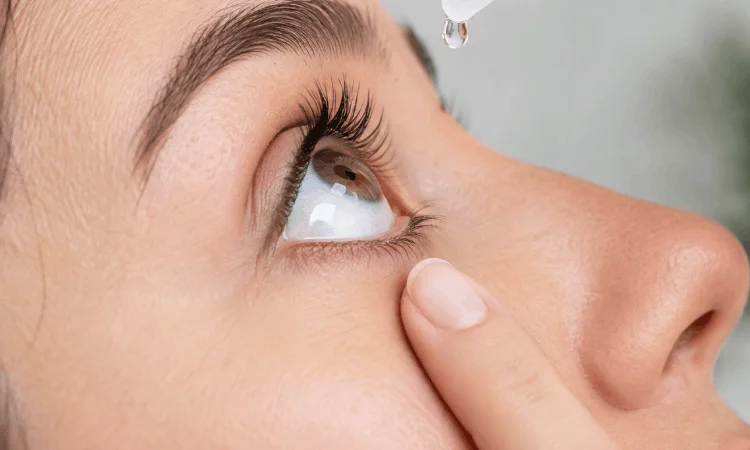
What Is an In Vitro Eye Irritation Test?
The in vitro eye irritation test is one of the safety tests based on cell culture and tissue models conducted to assess the potential of a substance or product to cause irritation in eye tissue. These tests are widely used in safety assessments of cosmetic products, biocidal products, chemicals, medical devices, and raw materials.
Thanks to advanced in vitro methods, the potential for eye irritation can be assessed using alternative methods to animal testing, and reliable data compliant with international regulatory requirements can be obtained.
At NanoTox, we offer scientifically validated and reliable In Vitro Eye Irritation test services within our In Vitro Cell Culture Unit, in accordance with international standards.
Purpose of the In Vitro Eye Irritation Test
This test aims to determine the potential for irritation that a product may cause following contact with the eye.
Through these studies:
- Eye irritation risk is assessed,
- Product safety is verified,
- Chemical classification processes are supported,
- Regulatory requirements are met,
- Scientific data is provided for product development processes.
Advantages of In Vitro Eye Models
Modern in vitro eye irritation tests are conducted using cell and tissue models that mimic human eye tissue.
Thanks to these methods:
- Results closer to human biology are obtained,
- Contributions are made to reducing animal use,
- Rapid and reproducible results are obtained,
- Internationally recognized alternative testing strategies are applied.
Studies Compliant with OECD Guidelines
In Vitro Eye Irritation tests conducted at NanoTox are carried out in accordance with internationally recognized OECD guidelines.
The primary methods used are:
- OECD 437 – Bovine Corneal Opacity and Permeability (BCOP) Test
- OECD 438 – Isolated Chicken Eye (ICE) Test
- OECD 492 – Reconstructed Human Cornea-like Epithelium (RhCE) Test Method
as listed.
These methods ensure a reliable assessment of a product’s potential for eye irritation.
Test Principle
The product being tested is applied to the relevant cell or tissue model and exposed for specific durations. Following exposure, cell viability, tissue integrity, and irritation indicators are evaluated to determine the product’s potential for eye irritation.
Studies frequently examine:
- Cell viability analyses,
- Tissue integrity assessments,
- Corneal permeability measurements,
- Opacity analyses,
- Quality control parameters
are examined.
Reliable Cell Culture Studies with NanoTox
NanoTox conducts In Vitro Eye Irritation tests in accordance with international standards using modern cell culture laboratories and a team of experts. We ensure the reliable acquisition of scientific data required for product safety and regulatory processes.
For detailed information about In Vitro Eye Irritation tests and our other cell culture services, please contact NanoTox.