


OECD TG 442C / 442D / 442E: Field Experience with 2o3 DA and In Vitro Alternatives in Skin Sensitization Skin sensitization asses...

OECD TG 437 / 438 / 492: Comparative Analysis of In Vitro Alternatives for Eye Irritation The assessment of eye irritation and co...
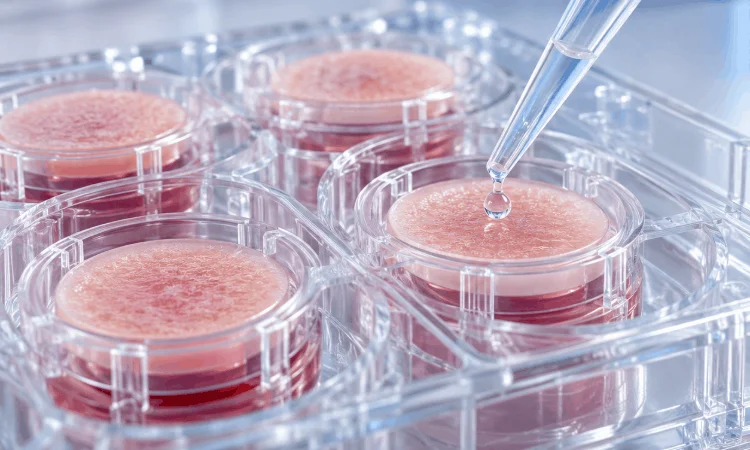
Determination of Skin Corrosion Using In Vitro MethodsThe most serious local toxic effect that can result from skin contact with c...
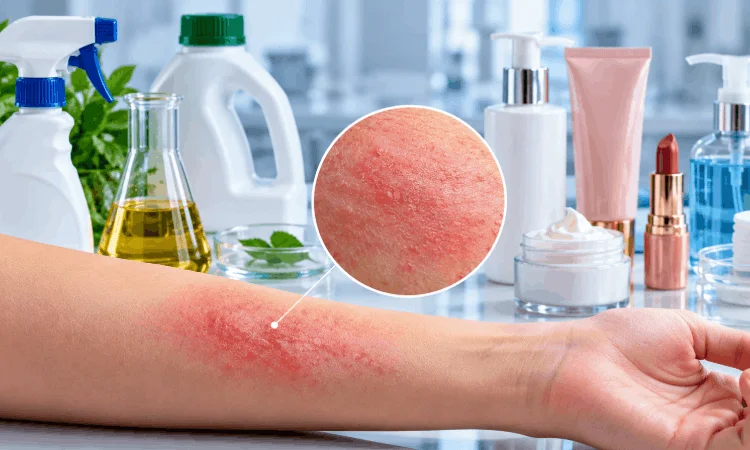
OECD TG 439 and ISO 10993-23: The Rise of In Vitro Methods for Skin IrritationAssessing the potential for skin irritation resultin...
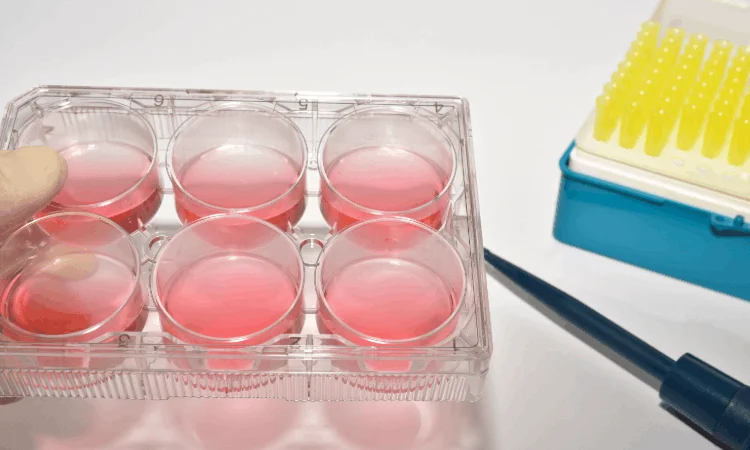
Cytotoxicity Testing: Demonstrating the Safety of Medical Devices at the Cellular LevelThe first and most critical step in the bio...

Pyrogen Test: Scientific Assessment of the Risk of a Fever Response in Parenteral ProductsParenteral drugs, biologics, vaccines, c...

Implantation Testing: Scientifically Proving the Tissue Compatibility of Medical DevicesThe biocompatibility assessment of medical...

Skin Sensitization Test: Scientifically Assessing the Risk of Allergic Contact DermatitisAllergic contact dermatitis is an immune-...

Eye Irritation Test: A Scientific and Ethical Approach to Ocular Safety AssessmentThe eye is one of the body’s most sensitive an...


